


Art and Design Technology
The Teacher in charge of Art and Design Technology is Mrs Cunliffe.
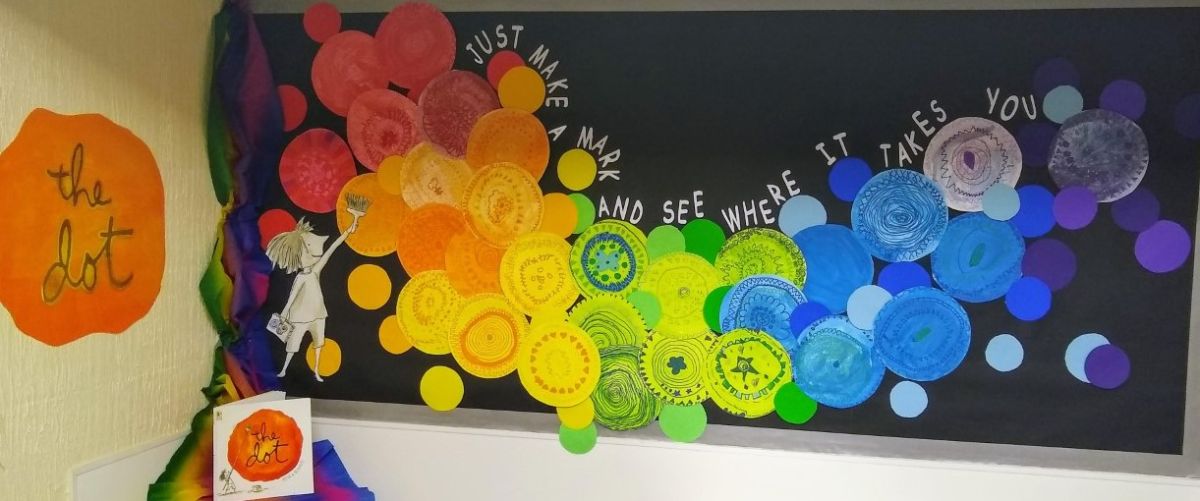
Art
Intent & Implementation
At Netherton we take the following approach to Art-
- Observation: Making art inspired from Primary or Secondary observation
- Design: usually related to vocational practice or design problem solving
- Skills & Techniques: Often these are craft based approaches and skills
- Imaginary /Visualising: Where ideas and imagination lead the activity
- Question based: Art inspired from deep thinking questions
- Cognitive: Often sensory or memory led tasks
- Abstract: Where thoughts and emotions are depicted through non-representational forms
- Artist: not simply mimicking artists work but reinterpreting it in new, original ways
- Direct, Active: Art making by getting on and doing
Art plays an important role in our Early Years, providing our youngest children with the opportunity to explore different media and materials they may not have had experience of before. It encourages fine motor skills, independence, communication and imagination.
In Key Stage One and Two our Art and Design curriculum provides a clear progression of knowledge and skills across the whole school, ensuring coverage of the National Curriculum. Children will explore different media and materials developing skills in drawing, painting, printing, collage, sculpture and textiles. Children will study and evaluate their own work and that of famous artists. They will learn the importance of critically evaluating their own work and improving it after reflection. Children enjoy working in sketch books adding to and improving ideas and sketches. We celebrate our love for art at Netherton J & I School by displaying our fantastic artwork around the school, for all to see!
Art Gallery
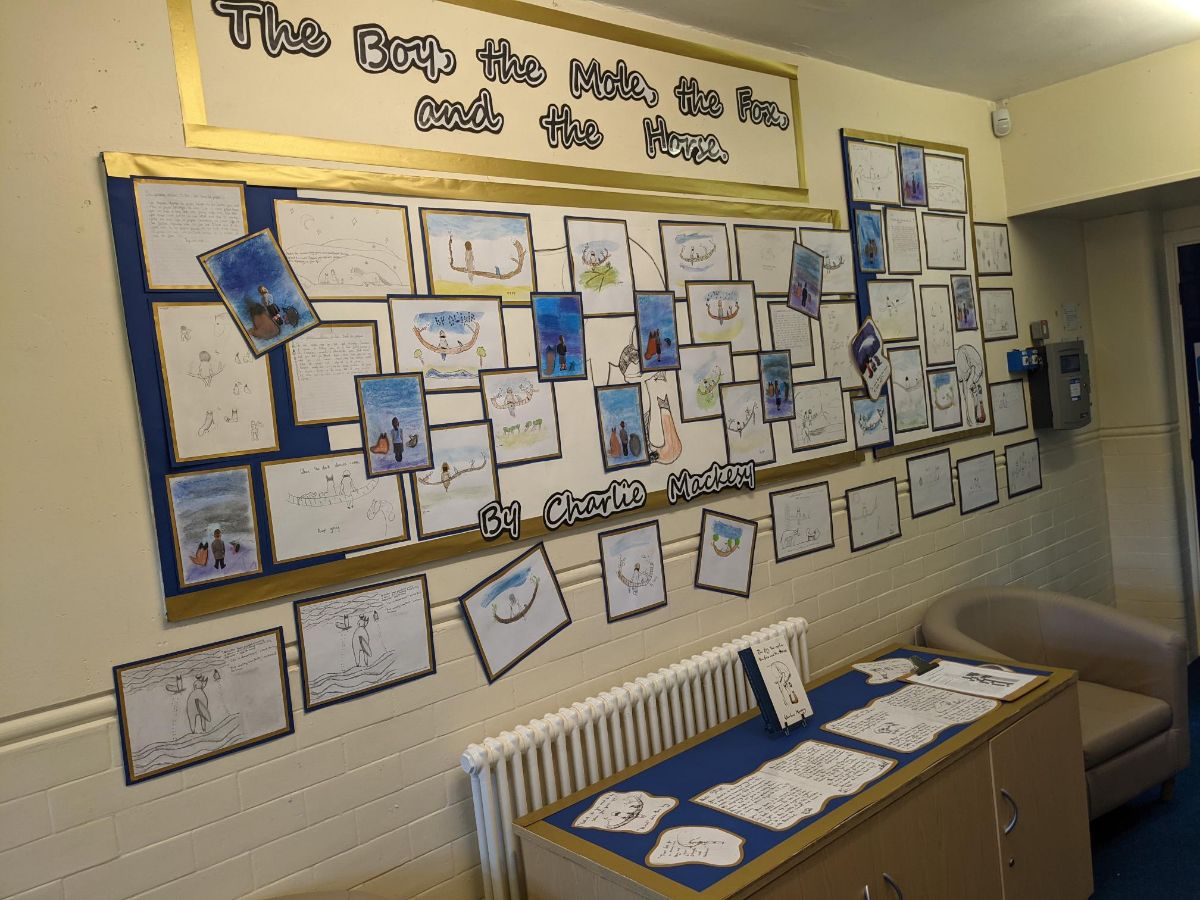
The Boy, The Mole, The Fox and The Horse
In our whole school topic, children in all classes produced some fabulous pieces of Writing and Art. They are displayed in our school entrance.
Art – Drawing
-
EYFS: Mark making, representing things in the real world.
-
Year 1: Draw things in the real world whilst observing.
-
Year 2: Draw recognizably from observation with some rendering.
-
Year 3: Draw with majority scaling accuracy from observation with rendering.
-
Year 4: Produce rendered drawings from observation with scaling.
-
Year 5: Drawings are accurate using perspective and or shading for depth texture and realism
-
-
Year 6: Observational drawing evidences convincing scale, depth, texture, and tone through the majority of a piece.
-


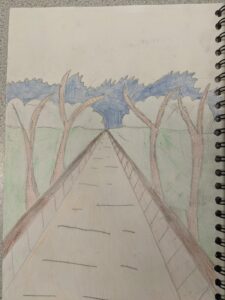
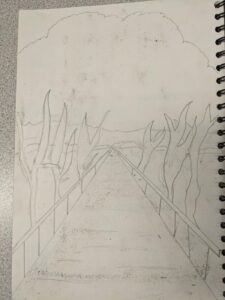
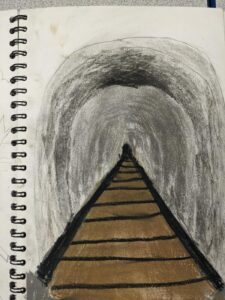
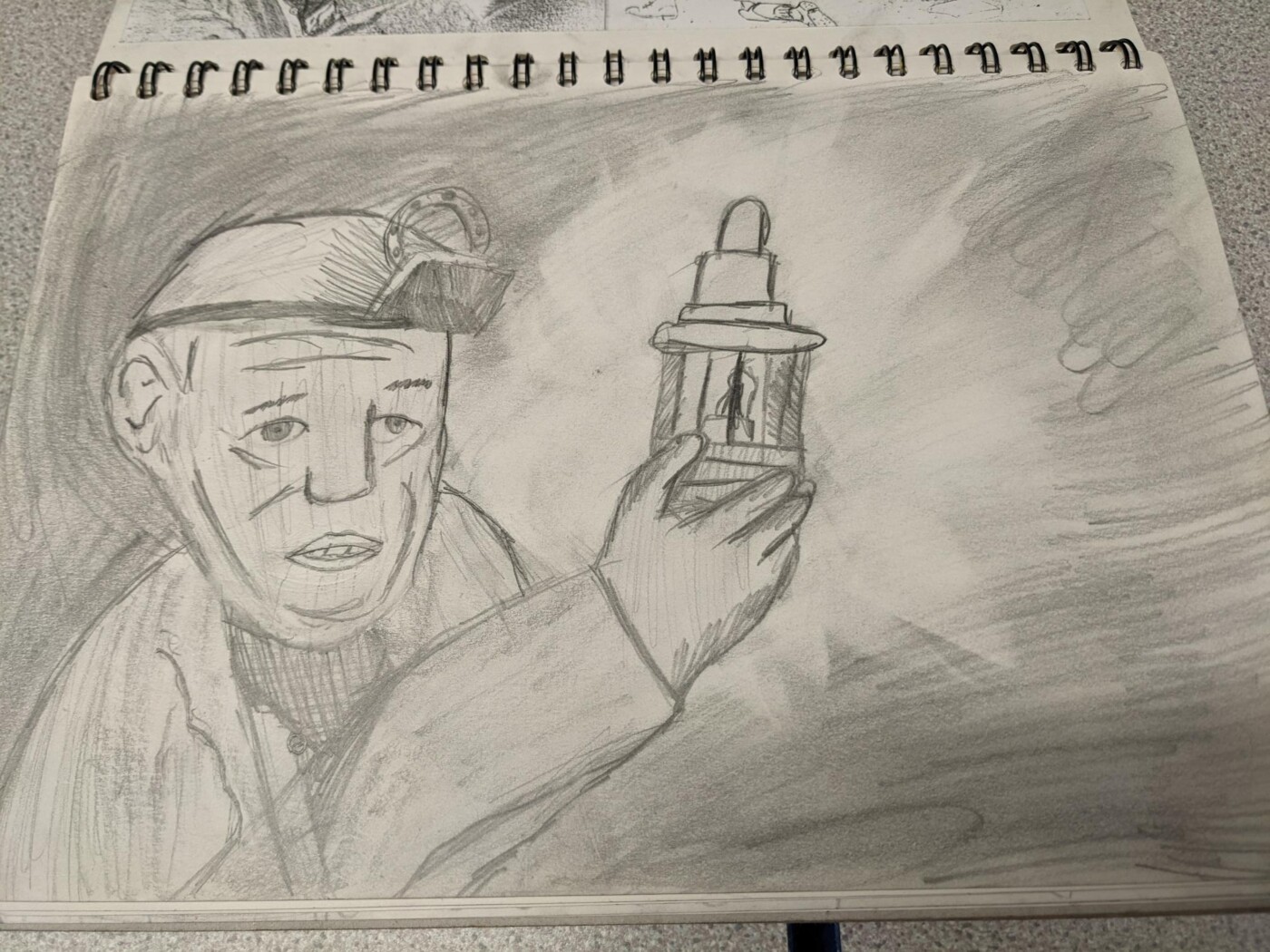
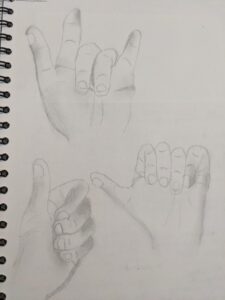
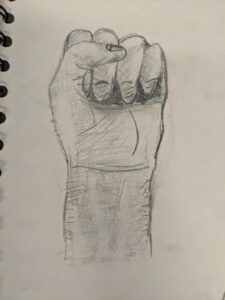

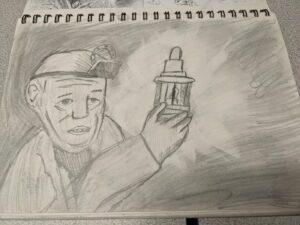
Here are some examples of of our wonderful Art-


Important Documents for Art
Design Technology
Intent & Implementation
At Netherton we follow the ‘Design, Make, Evaluate’ approach to the teaching of DT, as outlined in the National Curriculum Programmes of Study document. Where possible, this will be linked to TASC. The technical skills which we teach encompass the following areas: Construction, Mechanisms, Textiles and Food and Nutrition. We feel that the teaching of Food and Nutrition is a great importance and holds great relevance in current times. For this reason, children will study a Food and Nutrition unit every year. Additionally, a Construction unit will be covered, along with either a Mechanisms or Textiles unit . This ensures that the technical skills are covered with greater depth, and that – by the end of each key stage – children will have reached the expectations of the National Curriculum. If teachers wish to complete extra units to develop skills in an area that has not been assigned to their year group, they are encouraged to do so.
During DT sessions, children are encouraged to be inquisitive about the way products work. We encourage both asking and answering questions in order to deepen children’s understanding of product and product design. They will use market research to inform their designs and, as they move up through the school, will be encouraged to draw detailed designs and make prototypes in order to refine their designs before creating their final piece. Whilst making their products, staff will guide them through the technical skills they will require, modelling good practice and highlighting safety considerations with the children. Through the evaluation stage of our ‘Plan, Make, Evaluate’ approach, children are encouraged to reflect upon their final products, considering how they could have altered their design or techniques to impact the overall appearance and usability of their product.
Important Documents for Design Technology
At Netherton we follow the ‘Projects on a Page’ produced by DATA org – https://www.data.org.
Design Technology Gallery
Coming Soon!
Useful Websites for Art & DT
Kinderart – op art shaded shapes
Pete Mckee- Cartoon workshop – start with Lesson 1!
BBC – KS1 Art & Design