Oracy at Netherton

Intent – Why is Oracy important for our children?
At Netherton Junior and Infant School, we believe spoken language to be central to the achievement and academic progress of our pupils. By teaching students to become more effective speakers and listeners we empower them to better understand themselves, each other and the world around them. Oracy is central to learning and spoken language skills are one of the strongest predictors of a child’s future life chances. Therefore, we intend to provide our children with many opportunities to develop and apply their speaking and listening skills across the curriculum.
We aim to develop and encourage competent speakers, who can confidently articulate their ideas in a wide range of situations but can also recognise the value of listening to others.
Implement – How will our children learn?
For pupils of all ages to use spoken language successfully, they need to make progress in interrelated aspects of language:
Physical (vocal control and body language, such as making eye contact and speaking loudly and clearly)
-
Linguistic (knowledge of vocabulary and grammatical constructions, and use of rhetorical devices)
-
Cognitive (knowledge of content, organisation of ideas, and tailoring talk to a specific purpose, such as to persuade or inform)
-
Social and Emotional (ability to collaborate through conversation)
At Netherton, oracy skills are encouraged and taught across the curriculum. Class teachers use the Oracy Skills Progression Map to inform their planning for speaking and listening activities. This document outlines the key skills that children should be taught in each year group for each of the interrelated aspects of language above.
We develop children’s speaking and listening skills across the curriculum through:
-
Talk partners
-
Paired/group work
-
Listening and responding to well-chosen stories
-
Immersing EYFS children in rhymes and songs
-
Reading lessons
-
Composing sentences orally in preparation for writing
-
Engaging with visiting speakers
-
Presentations of learning
-
Drama
-
Discussion and debate
-
Junior Leadership Groups
Further information about how we further embed Oracy as a whole school can be found in our whole school oracy document and Talking Partners matrix. We have taken guidance and advice from Voice 21 which can further help parents and students understand the positive impacts that oracy can have on our young people’s lives.
Talk Partners Skills progression_Matrix (1)
Impact – What is achieved through our oracy curriculum?
Our Oracy curriculum ensures that children leave with all the key knowledge and skills outlined in the National Curriculum for speaking and listening. Children leave Netherton having had many interesting opportunities and experiences linked to developing their speaking and listening skills. Our pupils have a voice and opinions but also the ability to listen to and respect the opinions of others- values which are integral to being a part of the Netherton School Community.
Here are some of the many ways we promote oracy at Netherton.
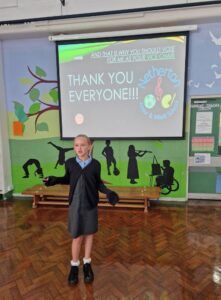
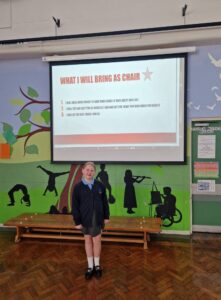
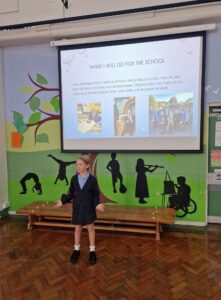
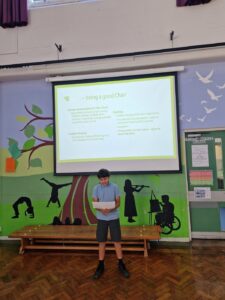
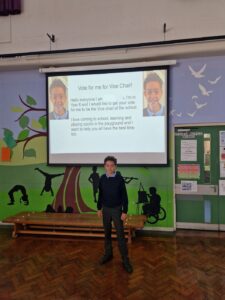
Year 6 candidates using their oracy skills to present to the whole school as to why they should be the Chair and Vice chair for our Junior Leadership Team. The pupils then place a vote to decide following the presentations.
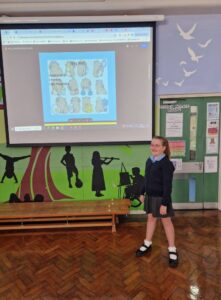
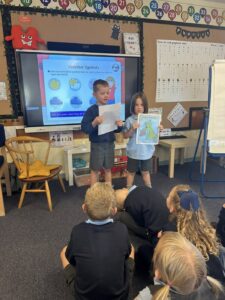
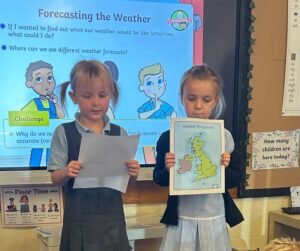
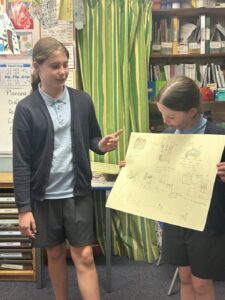
Children using their presentation skills to discuss their storyboards to the rest of their class.
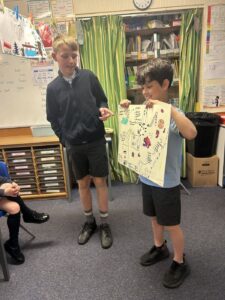
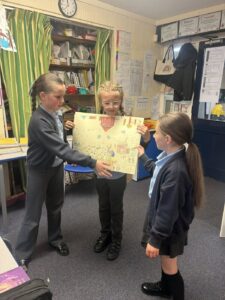
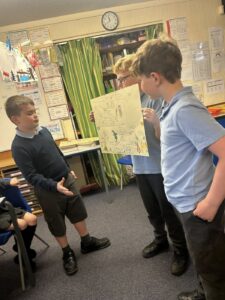
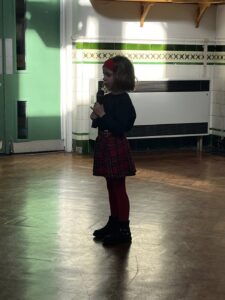
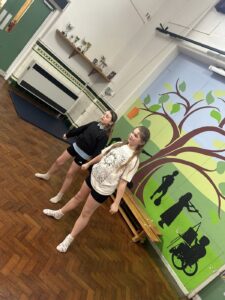
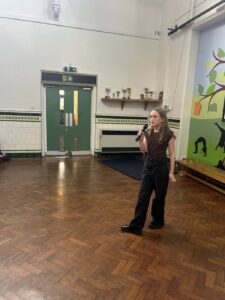
Our annual talent show allows all abilities to grow in confidence by singing, telling jokes, acting to an audience.
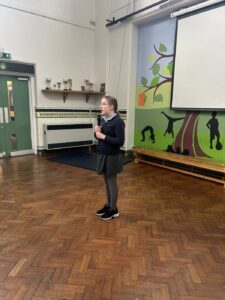
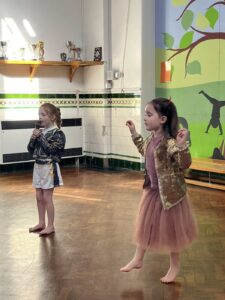
Children enjoy sharing and publishing their stories to different classes throughout our school.
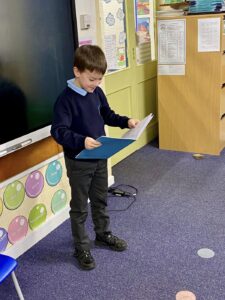
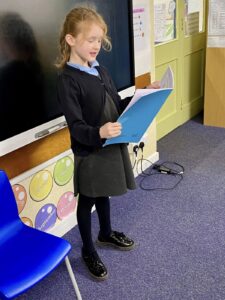
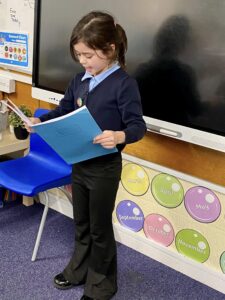
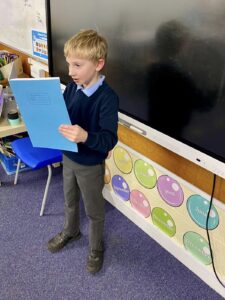
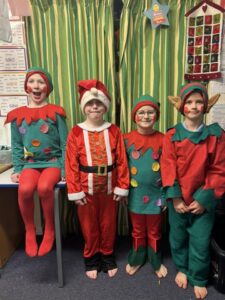
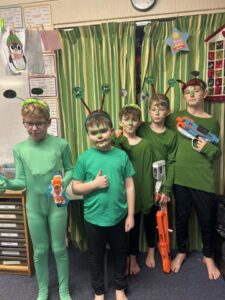
We love to put on productions at our school! Children really excel and grow in confidence when leaning scripts and taking on new roles.
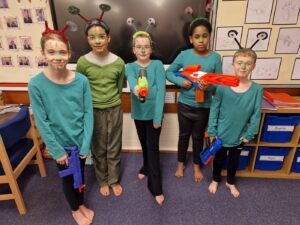
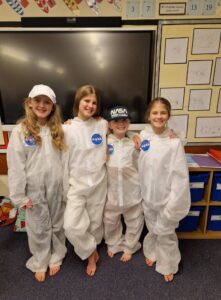
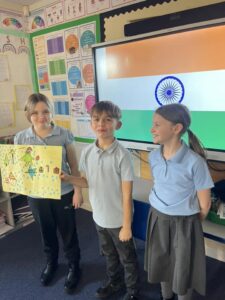
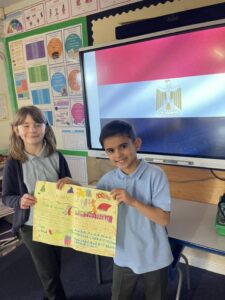
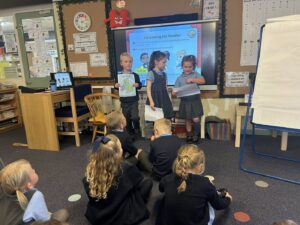
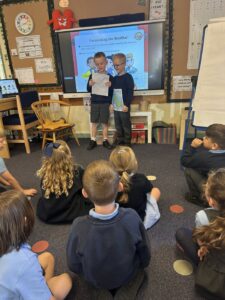
Children enjoy researching and working in groups to present their findings to the rest of their peers.